Introduction
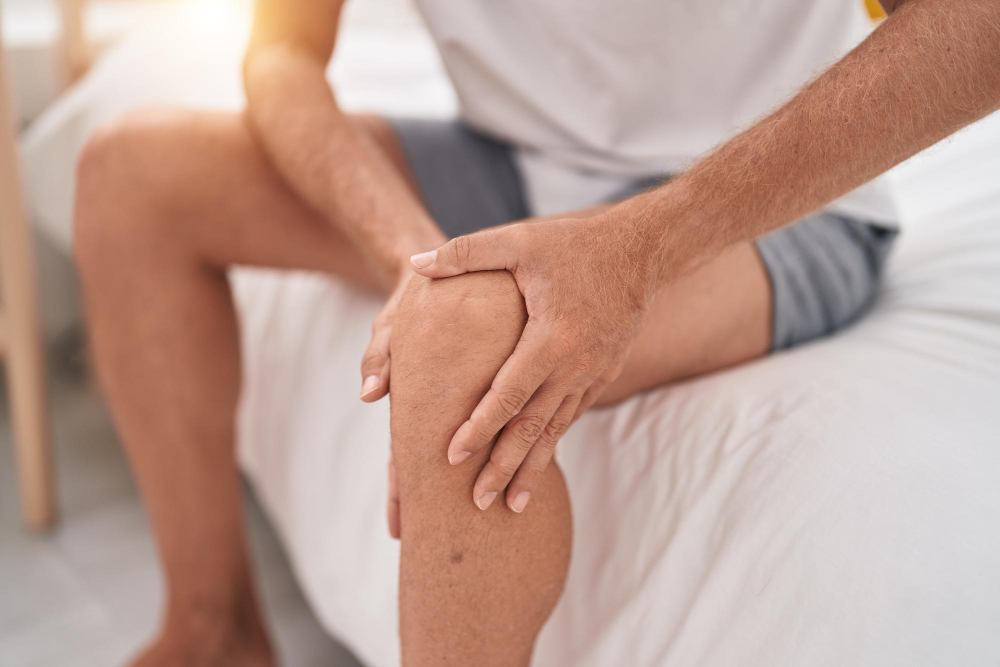
Knee pain is a common problem that affects people of all ages. It can make walking, climbing stairs, or even sitting difficult. For many, knee pain can lower quality of life. Because the knee is a large joint, it is prone to injury and wear. In this blog, we will explore knee pain causes, symptoms, diagnosis, and effective treatments. You will also learn how to relieve knee pain and when to seek help.
Causes of Knee Pain
There are many reasons why your knee might hurt. Some causes are sudden, while others develop over time. Understanding the cause can help you find the right knee pain treatment.
Injury: Falls, sports, or accidents can damage the knee. Common injuries include sprains, strains, ligament tears, and fractures.
Arthritis: This is swelling and stiffness in the joint. Osteoarthritis is the most common type. Rheumatoid arthritis and gout can also affect the knee.
Overuse: Repeating the same movement, like running or jumping, can strain the knee. This may lead to conditions such as tendinitis or bursitis.
Obesity: Carrying extra weight puts more stress on the knee joint.
Infection: Sometimes, germs can enter the knee and cause pain and swelling.
Common Symptoms
Knee pain can feel different for each person. However, some symptoms are more common. Knowing these signs can help you decide when to seek knee pain treatment near you.
Pain or aching in or around the knee
Swelling or stiffness
Redness or warmth to the touch
Weakness or feeling like the knee may give out
Popping or crunching sounds
Difficulty straightening or bending the knee
Diagnosis
Doctors use several steps to find the cause of knee pain. Early diagnosis can lead to better results. Here is what you can expect during a visit:
Medical History: Your doctor will ask about your pain, past injuries, and daily activities.
Physical Exam: They will check your knee for swelling, movement, and strength.
Imaging Tests: X-rays can show bone problems. MRI or ultrasound can reveal soft tissue injuries.
Lab Tests: Sometimes, blood tests or joint fluid tests help rule out infection or arthritis.
According to the CDC, early diagnosis and treatment can prevent long-term joint damage.
Treatment Options
Treatment for knee pain depends on the cause and severity. Many people find relief with simple steps. Others may need more advanced care. Here are some common orthopedic knee pain solutions:
Rest and Ice: Taking a break and using ice packs can reduce swelling and pain.
Medications: Over-the-counter pain relievers like acetaminophen or ibuprofen can help. Sometimes, doctors prescribe stronger medicines.
Physical Therapy: Exercises can strengthen muscles and improve movement. A therapist can guide you safely.
Support Devices: Braces or crutches can protect the knee while it heals.
Injections: In some cases, doctors inject medicine into the knee to reduce pain and swelling.
Surgery: If other treatments do not work, surgery may be needed. Common surgeries include repairing ligaments or replacing the knee joint.
Always talk to your doctor before starting any new treatment.
Prevention Tips
While not all knee pain can be prevented, you can lower your risk. Try these simple tips to keep your knees healthy:
Maintain a healthy weight to reduce stress on your knees
Exercise regularly to strengthen leg muscles
Warm up before sports and stretch after activity
Wear proper shoes for support
Avoid sudden increases in activity level
Use correct techniques when lifting or playing sports
When to See a Doctor
Sometimes, knee pain needs quick medical attention. You should see a doctor if you:
Cannot put weight on your knee
Have severe pain or swelling
Notice a visible deformity
Have a fever along with knee pain
Cannot move your knee fully
Early care can prevent further damage and help you recover faster.
Conclusion
Knee pain can affect your daily life, but many treatments are available. Because each case is different, it is important to find the cause. If you have ongoing knee pain, do not wait. Consult an orthopedic specialist at Asht Siddhi Ortho and Eye Clinic for personalized advice on knee pain.